Barossa Valley
Vines older than the country they grow in.
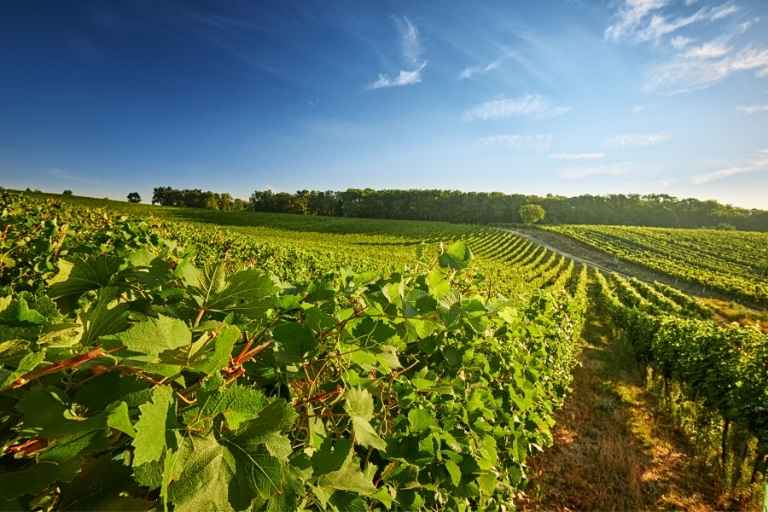
What Barossa Valley teaches: old vines
Barossa has an important concentration of old, ungrafted vines, including celebrated nineteenth-century blocks. Old vines yield less fruit with more concentration, and the region built its bold Shiraz identity around that vineyard inheritance. The Barossa teaches what age in the vineyard can taste like in the glass.
The wines
Shiraz, deep and generous, from old-vine icons to honest village bottlings. Grenache and Mourvèdre also come from old plantings. The surprise is Eden Valley Riesling, taut and limey, from the hills above.
Where to go
Penfolds offers the Grange story at its Barossa cellar door. Henschke, in the Eden Valley, makes Hill of Grace from vines planted around 1860; book well ahead. Seppeltsfield pours tawny from the year of your birth, a century deep. For the boutique end, Rockford's stone cellars and Turkey Flat's 1847 vineyard show the valley at its most personal.
Eat
Appellation at The Louise is the destination dinner. FermentAsian in Tanunda pairs Vietnamese flavours with old-vine Grenache improbably well. The Barossa Farmers Market on Saturday mornings is the region's pantry, open to all.
Getting there
An hour northeast of Adelaide. Combine with McLaren Vale and the Adelaide Hills for South Australia's full hand.
Know the wine before you go.
The app teaches you Shiraz in five minutes, then helps you order it with confidence. Learn the grape, then come back and plan the trip.
Compare Barossa Valley tours
Heading to Barossa Valley?
Leave your email for a short welcome you can use straight away, and a note whenever there is more to share on Barossa Valley. Free, no spam, unsubscribe anytime.
Barossa Valley, quick answers.
What wine is Barossa known for?
Shiraz, big and bold, from important old, ungrafted vineyard blocks.
Why do old vines matter?
Vines well over a century old, ungrafted and dry-grown, give small, concentrated crops and deep wine.
When is the best time to visit the Barossa?
The South Australian spring and autumn. Harvest runs February to April.


