Rioja
Rioja teaches patience. Crianza, Reserva and Gran Reserva are promises of years in oak and bottle before release. You buy age here without paying Burgundy prices.
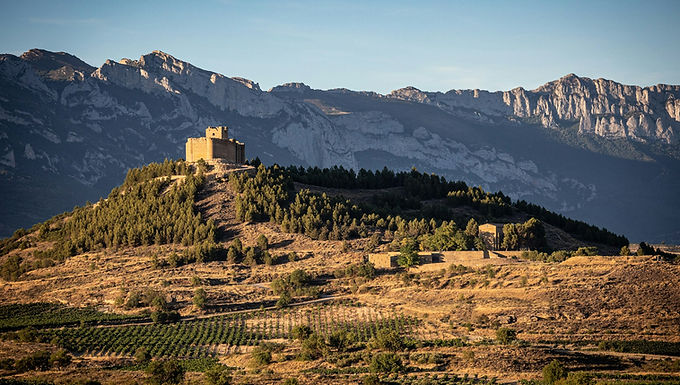
Three days in Rioja
Day one. Haro and the station district.
Morning. Start in Haro's Barrio de la Estación, the densest square mile of great wineries on earth, built around the railway that once shipped Rioja to phylloxera-ruined France. Book López de Heredia if you can; the cobwebs are original and so is the philosophy. Afternoon. A second bodega in the district, Muga or La Rioja Alta, for the modern counterpoint. Two visits, one street, a century of argument about oak. Evening. Dinner in Haro's old town with a Reserva that is older than your phone.
Day two. The villages and the vineyards.
Morning. Drive east through the hill villages: Briones first, for the Vivanco museum, the best wine museum in Spain and worth ninety minutes of anyone's scepticism. Afternoon. San Vicente de la Sonsierra or Laguardia, a walled hilltop town sitting on centuries of cellars. One booked tasting here in the old quarter. Evening. Dinner in Laguardia. The town empties of day trippers and earns its keep.
Day three. Logroño and the proof.
Morning. Into Logroño late morning, the region's working capital. Afternoon and evening. Calle Laurel, the pintxos street, where every bar does one thing well and pours Rioja by the glass for less than your coffee cost this morning. Move bar to bar: mushrooms at one, lamb skewers at the next, a Gran Reserva wherever you see one by the glass. This is the region's whole argument, age and food and generosity, conducted standing up.
Know before you go
When to go. May, June, September and October. Harvest brings festivals; San Mateo in Logroño in late September is glorious chaos.
Getting there. Fly to Bilbao, ninety minutes by car, or train to Logroño. You need a car for the villages, not for Logroño.
How many days. Three. Haro, the villages, Logroño.
The bodegas. Book a few days to two weeks ahead; tours run 15 to 30 euros with generous tastings. The classic houses pour wines with a decade of age as a matter of course.
The mistake first timers make. Buying young. The whole point of Rioja is that someone else did the cellaring; drink the Reservas and Gran Reservas while you are there, they will never be cheaper.
Drink it before you go
A Crianza from any honest house. The weeknight benchmark, two years of patience for the price of a cinema ticket.
A classic Reserva. The category Rioja built its name on; look for ten years on the label and be surprised by the price.
A white Rioja, aged. The region's secret, oxidative and nutty and unlike any other white in Europe.
Rioja is one of twelve places in The Grape Atlas. Learn it in five minutes, free.